Upcoming Sessions
- There are no upcoming sessions scheduled
See All Upcoming Sessions

While Salmonella is known to be associated with meat-based operations, it is also a hazard in dry food facilities. It can enter through raw ingredients, ventilation, and pests and be spread through the plant by shoes, forklifts and cartwheels, and contaminated clothing. This video shows how to reduce Salmonella by reducing water in food processing facilities, proper cleaning and drying of equipment, and dry cleaning techniques. Wet and dry food processing facilities are at risk for Salmonella contamination Salmonella can enter through raw ingredients and persist in the environment Proper cleaning and drying of equipment Your purchase includes a blank certificate to document employee training. Read more
Difficulty
Content
Price


In this timely short course, students will learn what to do when their company is faced with a crisis. Students will learn how to determine when a "situation" elevates to a "crisis" and how to manage it. Students will also learn who should be involved when handling a crisis, including who should be on the crisis management team. Finally, students will learn what should be included in your crisis management plan, how to spot early warning signals, and how to test the plan's effectiveness. Topics to be covered: Crisis definitions Examples of crisis situations Early warning signals When to inform stakeholders, leadership, regulatory agencies, and the public Roles and responsibilities of the Crisis Management Team Best practices for Crisis Management Plans How to effectively test your Crisis Management Plan Who should take this course: Executive management Company communication experts QA Managers Plant Managers Procurement Health & Safety Personnel Read more
Difficulty
Content
Price

In this timely short course focusing on the restaurant industry, students will learn what to do when their restaurant is faced with a crisis. Students will learn how to determine when a "situation" elevates to a "crisis" and how to manage it. Students will also learn who should be involved when handling a crisis, including who should be on the crisis management team. Finally, students will learn what should be included in your crisis management plan, how to spot early warning signals, and how to test the plan's effectiveness. Topics to be covered: Crisis definitions Examples of crisis situations Early warning signals When to inform stakeholders, leadership, regulatory agencies, and the public Roles and responsibilities of the Crisis Management Team Best practices for Crisis Management Plans How to effectively test your Crisis Management Plan Who should take this course: Executive management Company communication experts QA Managers Plant Managers Procurement Health & Safety Personnel Read more
Difficulty
Content
Price
This very detailed video discusses proper employee hygiene practices and what to do if employees are ill. Personal hygiene habits, correct hand washing procedures, jewellery, and proper use of hair and beard nets are addressed. Good Manufacturing Practices (GMPs) and prevention of product contamination are also discussed. Personal hygiene and proper frock and glove usage Good Manufacturing Practices (GMPs) Prevention of product contamination Your purchase includes a facilitator's manual, a quiz packet, and certificates for documenting employee training and assessment. Click here to watch a short preview of this video. Read more
Difficulty
Content
Price
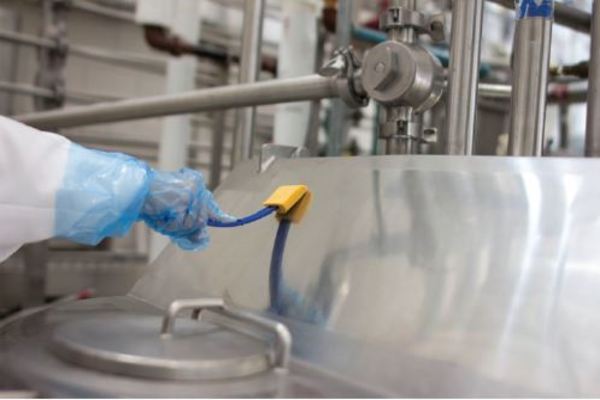
Environmental Monitoring Implementation Practices and Procedures An Aseptic Swabbing Techniques Training Program for Sampling the Environment and Equipment Environmental monitoring is an important component of a food safety program. An environmental monitoring program helps companies measure the effectiveness of contamination control measures, such as good manufacturing practices (GMPs) and sanitation in the food processing environment. A well-designed environmental monitoring program can be used to detect the presence of foodborne pathogens and indicator microorganisms on food equipment, food contact surfaces, non-food contact surfaces and in the food facility environment. While sampling protocols and techniques vary among companies, this program will provide you with practical guidelines to ensure best practices. The 10-part training program was also specifically designed to enable you and your manager to discuss the specific details of your sampling program. Lesson Topics: Microbiological Concerns and Monitoring Importance of Employee Hygiene and Protective Gear Preparation of Supplies for Sample Collection Preventing Cross-Contamination Overview of the Environmental and Equipment Monitoring Program Aseptic Swabbing Techniques Using Sponges Aseptic Swabbing Techniques Using Cotton Tip Swabs Sampling Varied Surfaces Procedures to Ship Samples Appendix A. EnviroMap This course will be available to you for 1 year from the date of purchase. Read more
Difficulty
Content
Price

Understanding the requirements for ingredient statement food labelling and the specific requirements and formats dictated by the FDA and USDA can be tricky. In this short course, we demystify the requirements and formats required for FDA and USDA regulations. This short course will also teach how existing and new food additives are determined to be generally recognized as safe (GRAS) for use in food. Additional areas of focus in this course include ingredient statements, food additive function and category use, and ingredient statement labelling formats. Who should take this course? Quality assurance, laboratory, manufacturing, and beginner regulatory professionals who want to understand the basics of ingredient food labelling regulatory requirements. *Note: This course will be available to you for 1 year from the date of purchase. A certificate will be issued upon successful completion of the course. Read more
Difficulty
Content
Price
Shopping Cart
Your cart is empty